Navigating the vast world of PC gaming in 2026 can feel overwhelming especially when you are balancing a demanding job family commitments and a desire to unwind with your favorite digital adventures This comprehensive guide cuts through the noise to help you discover what is the best PC setup for your unique needs We will explore the latest hardware trends budget-friendly options and performance optimization tips tailored for the modern gamer Whether you are upgrading on a budget building from scratch or simply seeking better performance for social gaming or skill-building this resource offers clear actionable advice Forget the hype and focus on real value ensuring your next PC enhances your relaxation fun and competitive edge without breaking the bank Discover how to make informed choices that align with your lifestyle and gaming aspirations keeping you current without unnecessary upgrades Learn about the components that truly matter for smooth gameplay and a hassle-free experience This article is your trusted friend in the complex PC market designed to empower you with knowledge and save you time and money It is about finding the sweet spot where performance meets practicality for gamers who know life is more than just specs
Q: What is the best PC for gaming in 2026 for under 1500?
A: For under 1500, the best PC often features an AMD Ryzen 5 7600X or Intel Core i5-13600K CPU, paired with an Nvidia RTX 4060 Ti or AMD RX 7700 XT GPU. Include 32GB DDR5 RAM and a 1TB NVMe SSD for optimal performance. This configuration balances power and affordability for excellent 1440p gaming.
Q: How do I choose the right CPU and GPU for my gaming PC?
A: When choosing CPU and GPU, consider your target resolution, refresh rate, and budget. For high-refresh 1080p or 1440p, prioritize the GPU (e.g., RTX 4070 or RX 7800 XT). Ensure your CPU (e.g., Ryzen 5/7 or Core i5/i7) is strong enough to avoid bottlenecking the GPU, providing a balanced system.
Q: Is 32GB RAM necessary for gaming in 2026?
A: While 16GB RAM is still sufficient for most games in 2026, 32GB DDR5 RAM is becoming increasingly beneficial, especially for multitasking, future-proofing, and playing demanding titles or open-world games. It's also crucial if you plan to stream or use resource-intensive applications simultaneously.
Q: What are the best PC brands for pre-built gaming computers?
A: Top brands for reliable pre-built gaming PCs in 2026 include Corsair, NZXT, Alienware, HP Omen, and Legion. These manufacturers offer good warranties, customer support, and often competitive pricing, though always check individual model reviews for specific component quality.
Q: How can I ensure my gaming PC stays cool and performs optimally?
A: Proper cooling involves adequate case airflow with multiple fans, and either a high-quality air cooler or an All-In-One (AIO) liquid cooler for your CPU. Regularly clean dust filters and ensure good cable management to prevent obstructions, maintaining optimal temperatures and consistent performance.
Q: What should I look for in a gaming monitor for 2026?
A: For a 2026 gaming monitor, prioritize a high refresh rate (144Hz+), low response time (1ms), and adaptive sync technology (G-Sync/FreeSync). Consider your PC's GPU power when choosing resolution (1080p, 1440p, or 4K) and panel type (IPS for colors, TN for speed).
Q: How important is an SSD for gaming performance?
A: An NVMe SSD is crucial for modern gaming, significantly reducing game load times and improving overall system responsiveness compared to traditional HDDs. While it doesn't directly impact in-game frame rates, it vastly enhances the gaming experience and is now considered essential for the OS and primary game library.
Hey fellow gamers! Ever feel like keeping up with the latest PC tech is a full-time job you don't have time for? You're not alone. Many of us, the 87% of US gamers who regularly dive into virtual worlds, average over 10 hours a week, often squeezing it between work, family, and life's other demands. We're not looking for hype; we're looking for genuine relaxation, fun, a way to connect with friends, maybe even hone some skills, and definitely get value for our hard-earned money. The question of "what is the best PC" isn't just about raw power anymore; it's about finding that perfect balance—a machine that delivers smooth performance for today's hottest titles and social experiences, without demanding a second mortgage or a week of troubleshooting. This month's trends show a continued embrace of social and cozy games, alongside the enduring thrill of competitive esports, with many gamers engaging in cross-play and Discord communities. But how do you navigate the endless specs, reviews, and rapidly evolving hardware to build or buy the right rig? Setup issues, performance bottlenecks, finding games for limited time, and making smart upgrade decisions on a budget are real pain points. That's exactly why we've put together this comprehensive guide. We're here to cut through the jargon, offer practical solutions, and help you pinpoint the best PC for your unique gaming life in 2026, ensuring you spend more time playing and less time worrying.
What is the Best PC for Gaming in 2026 if I'm a Busy Adult Gamer?
For the busy adult gamer in 2026, the best PC isn't necessarily the most expensive, but the most efficient and reliable. You need a system that loads fast, runs current games smoothly at 1080p or 1440p, and requires minimal tinkering. Look for a balanced build: a mid-range CPU like an Intel Core i5-14600K or AMD Ryzen 7 7700X, paired with a capable GPU such as the Nvidia RTX 4070 Super or AMD RX 7800 XT. These combinations offer excellent performance for titles like Elden Ring, Valorant, or the latest Call of Duty, without overspending on features you won't utilize. Additionally, 32GB of DDR5 RAM and a 2TB NVMe SSD are crucial for quick load times and seamless multitasking between gaming and other applications. This setup provides robust performance for popular social games and competitive titles, giving you the best bang for your buck while ensuring your limited gaming time is pure enjoyment.
How Do I Balance Performance and Budget for My Next Gaming PC?
Balancing performance and budget is where smart shopping truly shines. The key is to prioritize components based on your specific gaming habits and desired resolution. If you primarily play esports titles at 1080p, you can save on the GPU and invest more in a high refresh rate monitor. For immersive 1440p gaming, the GPU should be your biggest investment. Don't fall for marketing hype surrounding the absolute top-tier components unless you genuinely need 4K 120Hz performance. Often, last generation's high-end component or this generation's mid-to-high tier offers a significantly better price-to-performance ratio. Consider buying components during sales, especially around major holidays, and explore reputable refurbished options for parts like CPUs. Remember, a balanced system is always better than one component being excessively powerful while another bottlenecks it. Focus on getting a solid foundation (CPU, GPU, RAM, SSD) and upgrade peripherals later if needed. This practical approach ensures you get the most gaming enjoyment without breaking your budget, a common concern for adult gamers.
Which Core Components Really Matter for 2026 Gaming Performance?
For 2026 gaming, three core components truly drive performance: the Graphics Processing Unit (GPU), the Central Processing Unit (CPU), and system memory (RAM). The **GPU** is the primary engine for rendering game visuals; investing in the best GPU you can afford for your target resolution is paramount. The **CPU** handles game logic, AI, and overall system tasks; a modern multi-core CPU ensures smooth gameplay and prevents bottlenecks, especially in CPU-intensive strategy games or open-world titles. **RAM**, specifically 32GB of fast DDR5, is increasingly important for modern games and multitasking, preventing stuttering and improving load times. Beyond these, a fast **NVMe SSD** (at least 1TB, ideally 2TB) is essential for rapid game loading and overall system responsiveness. A reliable **Power Supply Unit (PSU)** is non-negotiable for system stability and future upgrades, and a good **motherboard** provides the foundation for all your components to communicate effectively. Don't overlook a decent **cooling solution** to maintain optimal temperatures for consistent performance.
Is Building My Own PC Still Worth It, or Should I Buy Pre-Built?
The build-versus-buy debate in 2026 still has merits on both sides, depending on your comfort level and time. Building your own PC often offers better value for money, allowing you to select each component precisely to your needs and budget, avoiding unnecessary bloatware. It's a fantastic way to learn about hardware, troubleshoot issues, and gain a sense of accomplishment. Plus, upgrading individual parts down the line becomes much simpler. However, for many busy adult gamers, time is a precious commodity. Pre-built PCs from reputable brands like Corsair, NZXT, HP Omen, or Legion offer convenience, often come with warranties for the entire system, and are ready to play out of the box. While they might carry a slight premium, the peace of mind and time saved can be invaluable. This month, many pre-builts are more competitively priced than in previous years due to better component availability. For those new to PC gaming or short on time, a well-reviewed pre-built is a perfectly valid and increasingly attractive option.
How Can I Optimize My Current PC for Better Gaming Without Breaking the Bank?
You don't always need a whole new system to improve your gaming experience. Start with **software optimizations**: ensure your GPU drivers are up-to-date, close unnecessary background applications before gaming, and tweak in-game graphics settings. Often, dropping shadow quality or anti-aliasing a notch can yield significant FPS boosts with minimal visual impact. For **hardware upgrades**, consider these budget-friendly options: 1. **Add an NVMe SSD**: If you're still using a hard drive for games or your OS, upgrading to an SSD is the single biggest impact on load times and overall system snappiness. 2. **Increase RAM**: If you have 8GB, jumping to 16GB or even 32GB (especially if you multitask or play demanding titles) can prevent stuttering. 3. **GPU upgrade (if PSU allows)**: Sometimes, a mid-range GPU from a generation or two ago can be found at a great price and offer a substantial boost to an older system, provided your power supply has enough wattage. These targeted upgrades offer the best performance-per-dollar, keeping you in the game without a massive investment.
What Are the Best Practices for PC Maintenance and Longevity?
Proper PC maintenance is key to ensuring your rig performs optimally for years and avoids frustrating performance issues. First, **keep it clean**. Dust is the enemy of electronics; regularly (every 3-6 months) clean out dust filters and use compressed air to clear fans and heatsinks. Second, **manage temperatures**. Monitor CPU and GPU temperatures using software like HWMonitor. Ensure good airflow within your case by optimizing fan placement and tidying cables. Excessive heat can throttle performance and shorten component lifespan. Third, **update drivers and OS regularly**. Graphics drivers, in particular, often include performance optimizations for new games. Fourth, **manage storage**: keep your NVMe SSD from getting completely full, and periodically run disk cleanup tools. Finally, **invest in a good antivirus/anti-malware solution** and be mindful of what you download. These simple practices will help maintain your PC's peak performance, offering a consistent and enjoyable gaming experience.
How Do Social Gaming and Cross-Play Influence My PC Choices?
Social gaming and cross-play heavily influence what is the best PC for many gamers in 2026. With 87% of US gamers engaging regularly and a strong trend towards social and cooperative experiences, your PC needs to handle not just the game, but also voice chat applications like Discord, streaming to friends, or even light content creation. This means prioritizing a CPU with enough cores for multitasking and ample RAM (32GB is highly recommended). For cross-play, your PC needs to keep up with console frame rates and graphical fidelity, so a decent GPU is still essential. Furthermore, fast and stable internet connectivity is crucial for smooth online play, so ensure your motherboard has a good Ethernet port or reliable Wi-Fi 6E/7. Many popular titles this month, from Warzone to Palworld and Helldivers 2, thrive on social interaction, making a robust PC for stable online performance and seamless communication more important than ever for a truly enjoyable experience with friends.
What About Mobile Gaming and PC Synergy?
The rise of mobile gaming, with its significant market share, isn't a threat to PC gaming but rather an opportunity for synergy in 2026. Many gamers today own multiple devices, seamlessly transitioning between their powerful PC at home and mobile games on the go. The 'best PC' for this demographic isn't just a standalone machine; it's part of a broader ecosystem. Features like cloud saving and cross-progression, common in many modern titles, allow you to pick up where you left off regardless of the platform. Your PC can also become a hub for mobile gaming through emulators for specific titles or by streaming mobile games to a larger screen for better social experiences or content creation. This synergy means your PC needs to be versatile, capable of handling demanding PC titles while also complementing your mobile gaming habits, whether through shared accounts or utilizing your PC's power to enhance the mobile experience.
How Can I Stay Current with PC Tech Without Falling for Hype?
Staying current with PC tech in 2026 without succumbing to constant upgrade cycles and marketing hype requires a strategic approach. First, understand that diminishing returns apply heavily to high-end components; a 5% performance boost often doesn't justify a 50% price increase. Second, follow reputable tech reviewers who provide objective benchmarks and real-world testing, not just speculative leaks or manufacturer claims. Third, focus on the games you actually play. If your current PC runs your favorite titles at your desired frame rate and resolution, you don't need an upgrade just because a new generation launched. Fourth, consider the upgrade cycle: GPUs typically see significant generational leaps every 2-3 years, while CPUs might be longer. Finally, understand that new technology like AI acceleration (DLSS, FSR) can significantly extend the lifespan of your existing hardware, making raw power less of the sole determinant. Be a smart consumer, prioritize your needs, and enjoy your games!
What's the Deal with AI and Gaming PCs in 2026?
AI is increasingly integral to gaming PCs in 2026, primarily through **AI-powered upscaling technologies** like Nvidia's DLSS and AMD's FSR. These technologies use AI algorithms to render games at a lower resolution and then intelligently upscale them to a higher resolution, delivering near-native image quality with significantly boosted frame rates. This means your GPU can achieve higher performance even in demanding titles, extending its relevance. Furthermore, dedicated AI cores (Tensor Cores in Nvidia GPUs, AI Accelerators in newer CPUs) are being utilized for various in-game functions, from more realistic NPC behavior to dynamic world generation and improved physics. While not directly replacing raw GPU power, AI acceleration is becoming a crucial factor in optimizing game performance and enhancing visual fidelity. When considering what is the best PC, factor in its capability to leverage these AI features for a smoother and more immersive gaming experience that adapts to future trends.
Choosing what is the best PC in 2026 doesn't have to be a daunting task, even when you're juggling work, family, and precious gaming time. The key is to focus on what truly matters for your specific needs: a balanced build, smart budgeting, and an understanding of core components. Remember, the goal is to enhance your gaming relaxation, social connections, and skill-building without unnecessary hassle or expense. By prioritizing components that deliver real-world performance for your favorite titles and knowing when to upgrade, you can enjoy a seamless and satisfying gaming experience for years to come. What's your biggest gaming challenge with your current setup, or what are you most excited about for your next PC? Comment below and let's keep the conversation going!
FAQ Section
What is the absolute minimum I need for a decent gaming PC in 2026?
For a decent 2026 gaming experience, aim for an AMD Ryzen 5 7600 or Intel Core i5-13600K CPU, an Nvidia RTX 4060 or AMD RX 7700 XT GPU, 16GB DDR5 RAM, and a 1TB NVMe SSD. This configuration provides solid 1080p to 1440p performance for most popular titles.
Is it better to invest in a CPU or GPU first?
Generally, for gaming, the GPU (graphics card) has a more significant impact on in-game performance and frame rates, especially at higher resolutions and settings. Invest in the best GPU your budget allows, then pair it with a capable CPU that won't bottleneck it.
How often should I upgrade my gaming PC components?
Most gamers find a significant performance boost upgrading their GPU every 2-3 years and their CPU/motherboard/RAM every 4-5 years. However, this depends heavily on your gaming habits, desired performance, and the evolution of new game requirements.
Can I use my gaming PC for work tasks like video editing or streaming?
Absolutely! A powerful gaming PC is often well-suited for demanding work tasks. Look for multi-core CPUs (Ryzen 7/9 or Core i7/i9), ample RAM (32GB+), and a strong GPU (RTX 4070 or better) to handle video editing, 3D rendering, and smooth streaming simultaneously.
Are pre-built gaming PCs reliable in 2026?
Yes, many pre-built gaming PCs from reputable brands offer excellent reliability and often come with warranties and support. They are a great option for convenience, but always compare component prices and check reviews to ensure you're getting good value and not overpaying for a basic build.
What are some good budget-friendly upgrade options for an older PC?
Start with a GPU upgrade if your power supply can handle it. Adding an NVMe SSD for your operating system and games will dramatically improve load times. Increasing RAM to 16GB or 32GB is also a cost-effective way to boost multitasking and overall system responsiveness.
Demystifying the best PC for gamers balancing life and play Practical advice on budget-friendly upgrades and new builds Focus on performance optimization for popular 2026 titles and social gaming Insights into current hardware trends without the hype Solutions for common gaming pain points like setup and performance Navigational tips for choosing components that truly matter
35


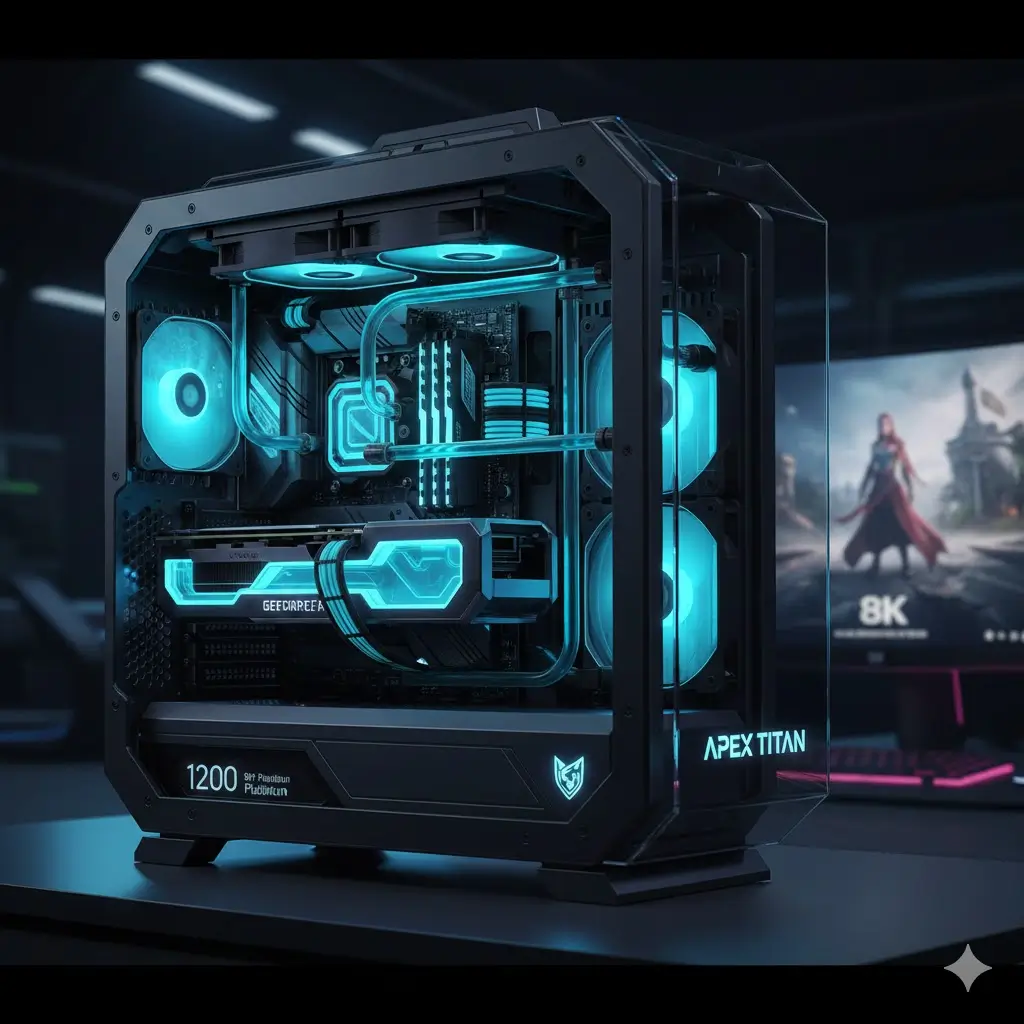
Top 10 Best Desktop Computers 2026 For Home Office And Work Lenovo Legion Tower 5i 2026 Budget Desktop Computer For Home Office Among Best Desktop. The Best Gaming PC Of 2026 Top Prebuilt Desktops Gaming Pc . Top 10 Best Desktop Computers 2026 For Home Office And Work HP OmniStudio X Pro 2026 All In One Desktop Computer With Large Display Ranked Among Best. Top 10 Best Desktop Computers 2026 For Home Office And Work Dell Tower Plus 2026 Desktop Computer With Sleek Design And Powerful Components For Best. 8 Best Gaming PCs For 2026 Ultimate Buyer S Guide Best Gaming Pc The Apex Titan 2026.webp

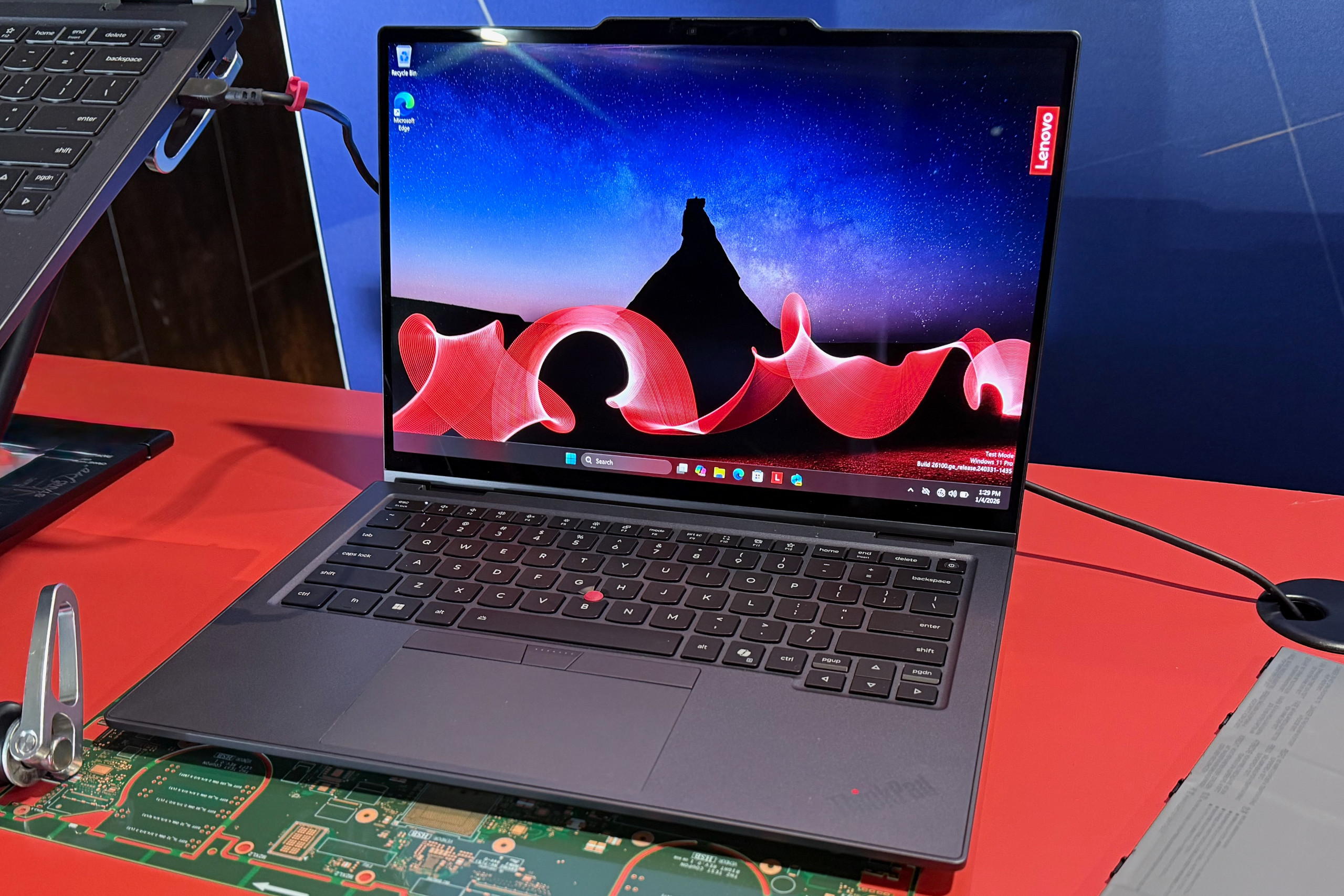

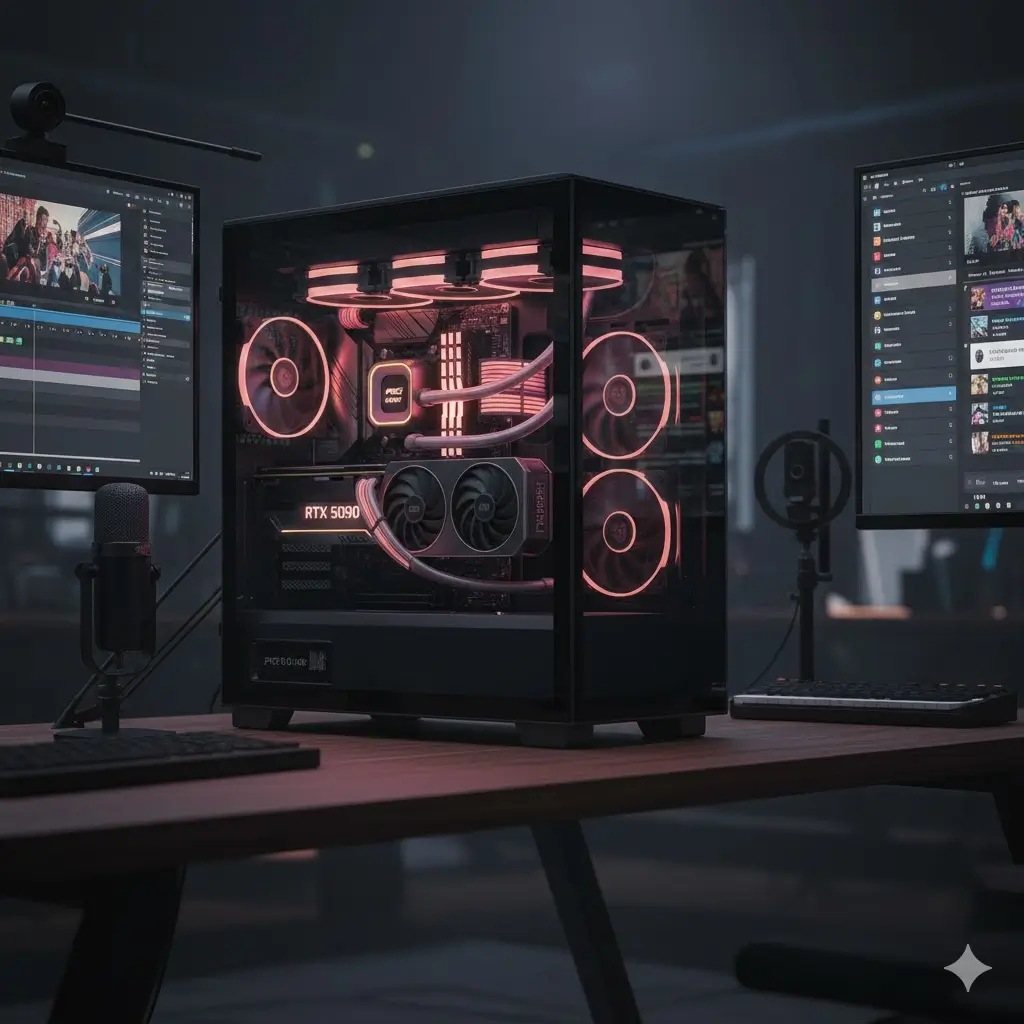
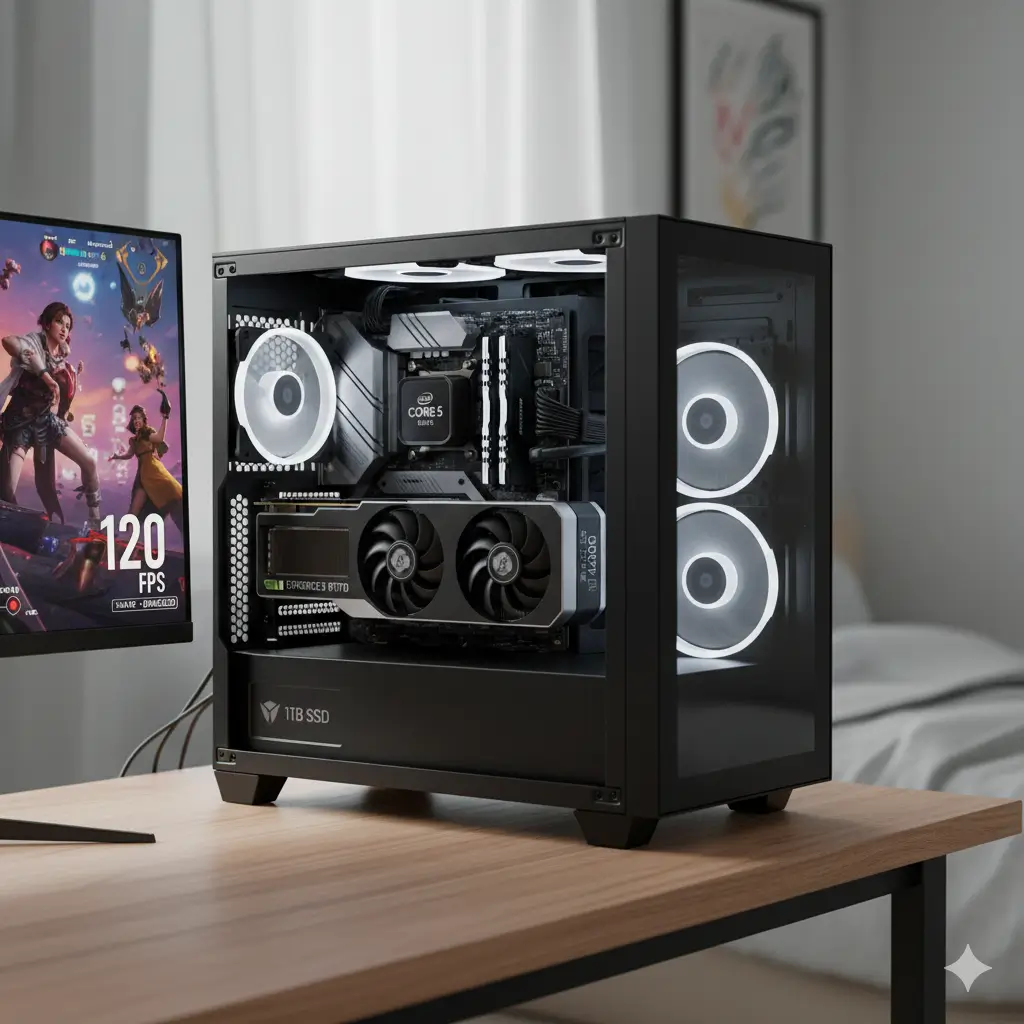
Top 10 Best Desktop Computers 2026 For Home Office And Work Lenovo Legion Tower 7i 2026 High Performance Desktop Computer With RGB Lighting Featured In. The 10 Best Laptops At CES 2026 PCWorld Lenovo ThinkPad X1 Carbon Aura Edition At CES 2026 . Top 10 Best Desktop Computers 2026 For Home Office And Work Apple IMac M4 2026 All In One Desktop Computer For Creative In Best Desktop. 8 Best Gaming PCs For 2026 Ultimate Buyer S Guide The Creators Dream Msi X 2026.webp. 8 Best Gaming PCs For 2026 Ultimate Buyer S Guide The Budget Gaming Pc 2026.webp


The Best Gaming PC Builds For 2026 Top Picks And Reviews Best Pc Build . 8 Best Gaming PCs For 2026 Ultimate Buyer S Guide Best Gaming Pc 2026 The Neuralcore X.webp. Best Gaming PC Builds For 2026 Best Gaming PC Builds For 2026.webp. 7 Best Gaming PCs Of 2026 Power Performance And Value Revealed Top Gaming Pcs 2026 1lmv2 . Best Gaming PC 2026 Best Gaming Pc 550x309

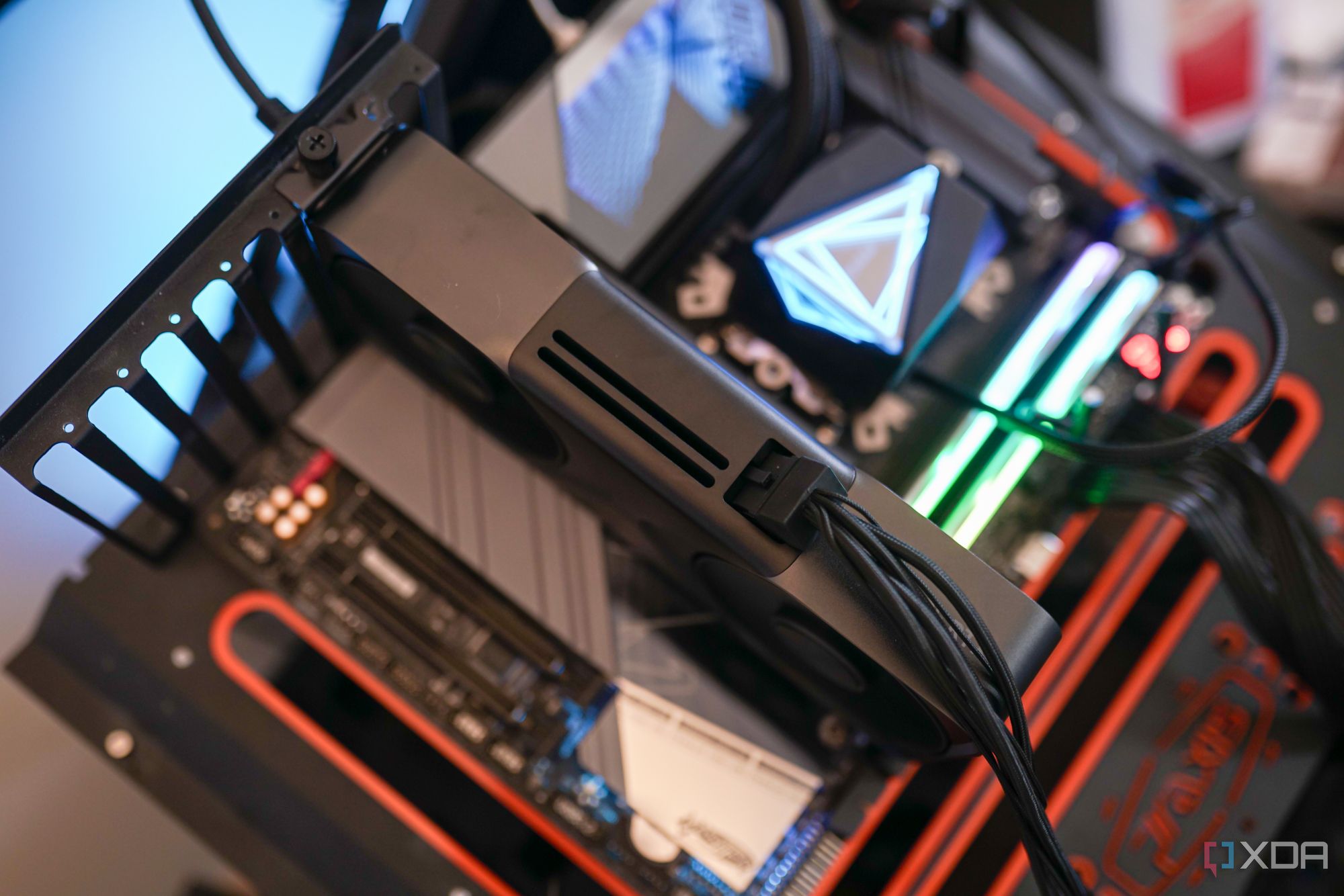


The 11 Best Windows Laptops For 2026 Tested By Us Mashable Hero . The Gaming PC You Need To Build For 2026. Best PC For 2026 For All Purposes From Coding To Gaming To Video AC SL1500 . 8 Best Gaming PCs For 2026 Ultimate Buyer S Guide Best Gaming Pc 2026 The Balanced. The Top Desktop PC Brands For 2026 According To Thousands Of Our 1.fit Lim.size



8 Best Gaming PCs For 2026 Ultimate Buyer S Guide Best Gaming Pcs 2026. 7 Best Desktop Computers For Home Use In 2026 Technobezz Technobezz 2026 03 11 T142543 296 09ffd22ab9 . Best PC Builds For Gaming 2026 Ultimate Guide To Building Your Dream Best PC Builds For Gaming 2026 1024x683 . The 10 Best Laptops At CES 2026 PCWorld Best Of CES 2026 2 . Best PC Cases 2026 Our Tested Picks For Your Next Build Tom S Hardware



The 15 Best Gaming PC In 2026 Tested Reviewed Com Best High Speed RAM Kits For 4K Video Editing . Best Laptops 2026 Top Picks For Every Budget Use Case Xthe Best Laptops 2026 Top Picks For Every Budget Use Case 750x350 . The Best PC Games You Can Play In March 2026 Electronic First Blog Image. Best Free PC Games In 2026 No Pay To Win Best Free Pc Games In 2026.JPG. The 15 Best Gaming PC In 2026 Tested Reviewed Com Best NVMe SSDs For Fastest Boot Times


The Best PC Hardware And Software Of 2025 2026 PCWorld PCW Awards 2025 2026 2 1 . Best Gaming Computers In 2026 9meters Hpaq Kbcyhk 1536x1059 . Top 10 Best Desktop Computers 2026 For Home Office And Work HP Omen 35L 2026 Workstation Desktop Computer For Intensive Work In Best Desktop. Top 10 Most Anticipated Games Of 2026 What To Watch Out For GAMES IN 2026 . Top 10 Best Desktop Computers 2026 For Home Office And Work Corsair Vengeance I7600 2026 Desktop Computer With Premium Build Quality Listed In Best Desktop